Liposuction is a highly effective way to target stubborn areas of fat and create slimmer contours almost anywhere on the body. However, not everyone is a good candidate for the procedure, especially patients who have a significant amount of weight to lose first. This blog covers ideal patient criteria, how BMI factors into candidacy, how diet and exercise differ from liposuction, and what a consultation involves.
5 Min Read:
What makes someone a good candidate for liposuction?
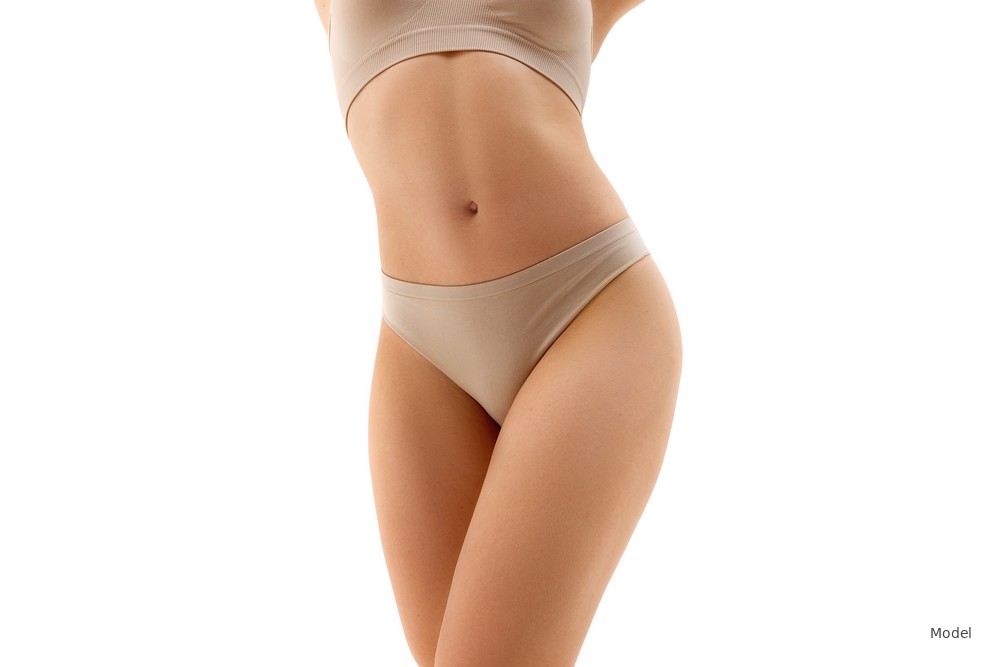
The best candidates for liposuction surgery are generally adults who are at or near a stable, healthy weight but have localized pockets of excess fat that resist diet and exercise.
A good candidate should also:
- Have realistic expectations about what liposuction can and cannot accomplish
- Be in good health for elective surgery
- Have relatively good skin elasticity
- Be bothered by specific areas of localized fat rather than looking for significant overall weight loss
- Be prepared to follow postoperative instructions during early recovery
Common treatment areas include the abdomen, flanks, thighs, hips, back, arms, and beneath the chin. Liposuction can address stubborn fat in these areas and create a more defined contour.
One of the most important factors in terms of candidacy is your goal. If you are hoping to lose a substantial amount of weight, liposuction is not the right tool for that job. However, if you are happy with your overall weight but have a few areas that seem determined to hang on to excess fat, liposuction may be worth discussing with a cosmetic surgeon.
What are the BMI requirements for liposuction?
For liposuction surgery, the ideal BMI threshold is a BMI under 30.
A BMI over 30 or 35 increases surgical risks—including the risk of complications such as infections, blood clots, and delays in healing.
Generally, though, BMI is a screening measurement based on your height and weight. This metric can’t account for muscle mass, body composition, where you carry excess fat, skin quality, or your overall health. For this reason, your BMI can’t tell you whether liposuction is appropriate on its own.
That said, patients who are closer to their goal weight tend to be better candidates for body contouring in general. Liposuction is designed to sculpt and refine your shape by removing localized fat, not to minimize the number on the scale. The spot reduction that is not possible with diet and exercise is precisely what liposuction was made for.
The best way to determine if your BMI and overall health make you a good fit for liposuction is through an individualized consultation. A surgeon like Dr. Matt Goldschmidt will consider multiple factors when determining your candidacy, including your weight, medical history, fat distribution, skin elasticity, and your desired results.
How does liposuction differ from diet and exercise?
We all know diet and exercise are essential for maintaining a healthy weight. Still, even people who eat well and exercise regularly can have areas of fat that are difficult to target.
This is where liposuction is different.
Diet and exercise affect your overall body composition. Liposuction is a surgical body contouring procedure that targets specific pockets of fat. The surgery can be especially useful when you are already doing what you need to do for your overall health but still struggle with localized fat that doesn’t respond to your workouts and diet the way you would like.
For example, you might be at a healthy weight and have a consistent workout routine, but still notice a stubborn belly pouch or “love handles” no matter how hard you train or how healthy you eat. In this case, liposuction can sculpt those specific areas and create a smoother contour that’s more in proportion to the rest of your body.
Of course, liposuction cannot replace healthy habits. Maintaining a stable weight after surgery is important for preserving your results.
It also can’t be underscored enough that liposuction is not a treatment for obesity and should not be viewed as a shortcut around healthy eating or physical activity. Think of it more as a contouring tool than a weight-loss tool.
What happens during a liposuction consultation?
A consultation is your chance to discuss what bothers you about your shape and what you hope to change. Your cosmetic surgeon will evaluate the areas you are considering for treatment and discuss factors such as your overall health, weight stability, skin quality, and expectations.
The consultation is also the time to ask questions about the procedure, recovery, potential risks, and expected results. You should leave the consultation with a clear understanding of what liposuction can and cannot do for you.
If your goal is to remove a few stubborn pockets of fat rather than lose a significant amount of weight through surgical fat removal, you may be a candidate for liposuction. The next step is determining whether the procedure is appropriate for your anatomy, health, and goals.
Learn More About Liposuction in Cleveland, OH
If you are considering liposuction, it’s important to seek the guidance of a highly experienced cosmetic surgeon. Dr. Matt Goldschmidt is a double board-certified cosmetic surgeon specializing in body contouring and enhanced recovery.
To schedule your liposuction consultation with Dr. Goldschmidt, call The Cosmetic Surgery Center today at (216) 264-8100 or complete our online contact form.