Breast augmentation can help patients achieve the curves they desire. While many patients are excited about their results, the recovery process is an important part of ensuring those results are the best they possibly can be. This blog discusses what to expect during breast augmentation recovery, activity restrictions, and tips for supporting a smooth recovery.
5 Min Read:
Tables of Contents
- Breast Augmentation Before & After Photos
- What is breast augmentation recovery like?
- What is the breast augmentation recovery timeline?
- What can I do to support a smooth breast augmentation recovery?
- When can I exercise after breast augmentation?
- When should I contact my surgeon during breast augmentation recovery?
Breast Augmentation Before & After Photos
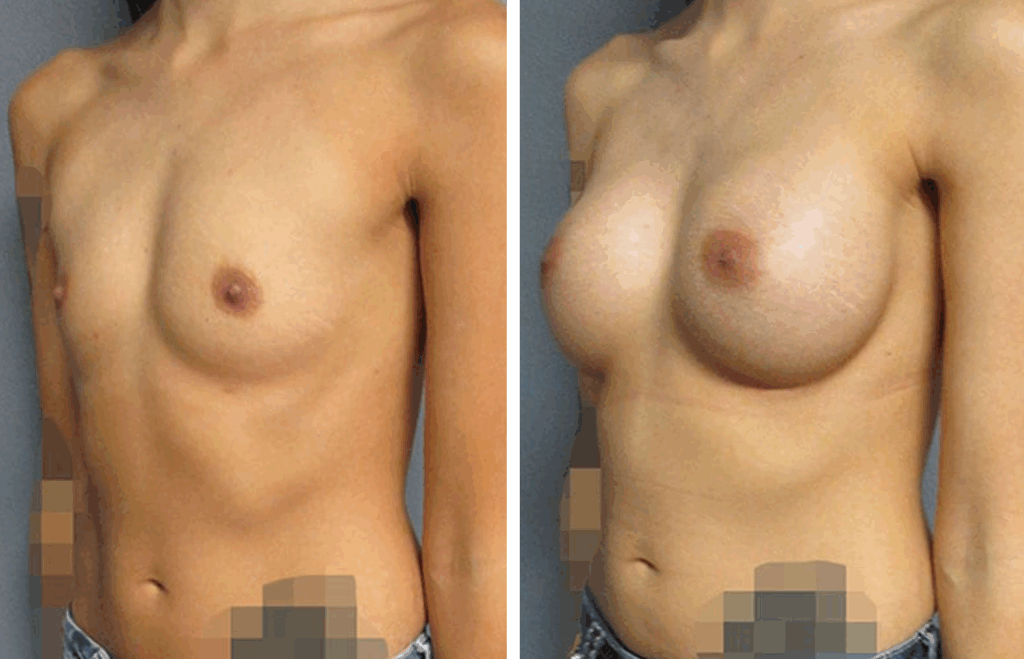
[Before & After Photo Gallery]
What is breast augmentation recovery like?
Breast augmentation recovery is an important process by which the body gradually heals after surgery. During this time, breast implants settle into their final position, so proper rest and care are essential for an ideal result. While many patients notice improvements in how they feel within the first several days, full recovery takes time, particularly as swelling decreases and the breast tissues adjust.
Double board-certified cosmetic surgeon Dr. Matt Goldschmidt helps patients select implants that best align with their anatomy and breast enhancement aesthetic goals. Many factors shape both the recovery experience and final results, including implant size, placement, and incision location. At a consultation, you and Dr. Goldschmidt can discuss your goals and options, as well as how certain choices might affect your recovery.
What is the breast augmentation recovery timeline?
Every patient heals differently. Still, most breast augmentation recoveries follow a rough timeline.
The First Few Days After Surgery
Swelling, tightness, bruising, and some discomfort are all common experiences, particularly in the first few days. Many patients report a feeling of pressure or fullness in the chest as the tissues adjust to the implants.
Patients are typically encouraged to rest, although gentle walks to promote circulation are also recommended. It’s important to avoid lifting or straining during this critical period.
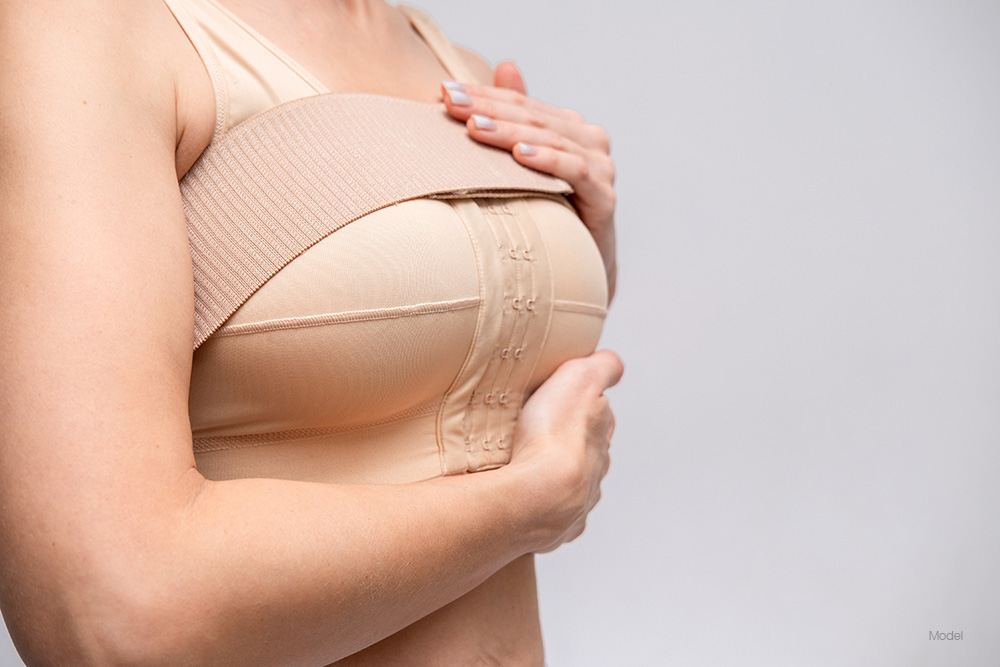
A surgical support bra may also be recommended during the early stages of recovery. This helps support the breasts while the tissues begin healing.
Week One After Breast Augmentation
After the first week, many patients are feeling more comfortable and may be able to return to light activities. Depending on their occupation and individual recovery, some patients may return to work after about one week, especially if their job does not require physical activity.
However, patients must continue to avoid strenuous exercise, heavy lifting, and other activities that strain the chest muscles.
Follow-up appointments allow your surgeon to monitor healing and answer any questions about the recovery process. Be sure to attend all of them.
Weeks Two to Six After Surgery
As you move forward through your recovery journey, discomfort should continue to improve. Patients gradually attain higher activity levels—always in accordance with their surgeon’s recommendations. That said, high-impact exercise and heavy lifting are usually restricted for several more weeks.
During the earlier stages of recovery, your implants may sit higher on your chest than expected. Not to worry–this is completely normal, and the implants will begin to settle into a more natural position as swelling resolves and the tissues relax.
Patients should continue wearing supportive garments as directed and avoid activities that could interfere with healing.
Three to Six Months After Breast Augmentation
While many patients feel comfortable returning to their normal routines within several weeks, the breasts continue to change over the following months. Swelling can persist for quite some time, but will decrease. Scars mature, and the implants settle into their final position during this time frame.
The final results of your breast augmentation will become more apparent as the tissues fully heal. Maintaining healthy lifestyle habits, such as eating well, staying hydrated, avoiding nicotine and alcohol, and attending follow-up appointments can help support your results for the long term.
What can I do to support a smooth breast augmentation recovery?
Preparing ahead of time can make all the difference in a comfortable recovery period. Some of the ways patients can support healing include:
- Arrange for help with household tasks, meal preparation, childcare, or daily responsibilities during the first few days after surgery
- Prepare a comfortable recovery area with essential items within easy reach
- Follow all medication and postoperative care instructions
- Avoid smoking and nicotine products, which can interfere with healing
- Maintain a balanced diet and stay hydrated
- Avoid sleeping on the stomach or putting pressure on the breasts until cleared by your surgeon
- Attend all scheduled follow-up appointments
When can I exercise after breast augmentation?
Resuming exercise after breast augmentation should be a slow, gradual process. Light walking is often encouraged soon after surgery—often as soon as the first day—to promote circulation and prevent blood clots. Activities that put strain on the chest muscles, however, should be avoided during the early recovery period.
Most patients can start easing back into their exercise routines after several weeks. Dr. Goldschmidt will let you know when you can resume exercise, according to your unique healing progress and recovery timeline. Check your postoperative instructions or call the office if you have questions about exercise.
When should I contact my surgeon during breast augmentation recovery?
Some side effects are to be expected after breast augmentation, including swelling, soreness, and changes in breast position.
However, patients should contact their surgeon or primary care physician immediately if they experience symptoms such as:
- Sudden pain, or pain that gets worse
- Sudden, significant swelling
- Signs of infection, including increased redness, warmth, or drainage
- Fever or feeling unwell
- Changes that seem unusual or concerning
Open communication with your surgical team is an important part of a safe recovery.
Want to learn more about breast augmentation surgery in Cleveland, OH?
If you’re considering breast augmentation and have questions about recovery, Dr. Goldschmidt is here to help. With years of experience and thousands of procedures performed, he is well-equipped to help you learn your options and answer any questions you may have.
To schedule your breast augmentation consultation, call The Cosmetic Surgery Center at (216) 264-8100 or complete our online contact form.